
Frequently Asked Questions About Buying Country Properties in Virginia's Horse Country
Robin Garbe June 10, 2026
Robin Garbe June 10, 2026
Whether you're searching for a horse farm, country home, acreage, or a peaceful rural retreat, buying country property can be very different from purchasing a home in a traditional subdivision. Below are answers to some of the most common questions buyers ask when considering rural and country properties in Fauquier, Rappahannock, Culpeper, and surrounding Virginia Horse Country communities.
In addition to the home itself, buyers should evaluate factors such as acreage, zoning, access, utilities, internet availability, water sources, septic systems, maintenance requirements, and future land use. Understanding how you plan to use the property will help determine which features are most important.
The answer depends on your goals. Some buyers want just a few acres for privacy and recreation, while others need larger tracts for horses, farming, hunting, or conservation. The ideal acreage varies widely based on intended use, budget, and maintenance preferences.
A farm typically includes land used for agricultural purposes such as crops, livestock, or hay production. A horse property may include barns, fencing, riding arenas, and pastures designed for equestrian use. A country estate generally emphasizes luxury living, privacy, and scenic surroundings, often with acreage and recreational amenities.
Zoning regulations govern how land may be used. Depending on the county and zoning district, there may be restrictions or opportunities related to livestock, horses, agricultural activities, short-term rentals, guest houses, home businesses, and future subdivision potential. Reviewing zoning information is an important part of the due diligence process.
Many rural properties rely on private wells and septic systems rather than public utilities. Buyers should understand the age, condition, capacity, and maintenance requirements of these systems before purchasing.
Internet availability varies significantly by location. While many areas now have access to fiber, cable, or wireless broadband, service quality can differ from one property to another. Buyers who work remotely should verify internet options early in the process.
Septic systems require periodic maintenance and inspections. Buyers should understand the system's age, location, capacity, and any limitations that could affect future expansion or use of the property.
Access can significantly impact both convenience and property value. Some country properties have frontage on state-maintained roads, while others are accessed by private roads or easements. Buyers should understand maintenance responsibilities and legal access rights.
A conservation easement is a voluntary legal agreement that permanently protects certain conservation values of a property. Easements can help preserve scenic views and rural character but may also restrict future development opportunities. Buyers should carefully review any easement documents before purchasing.
Not necessarily. The ability to keep horses depends on zoning regulations, acreage, terrain, water availability, fencing, and other factors. Properties specifically designed for equestrian use typically provide the best long-term experience for horse owners.
Important considerations include usable acreage, pasture quality, fencing, barn condition, water access, riding arenas, trail access, equipment storage, and the property's overall layout and functionality for horses.
Yes. Depending on the property, owners may be responsible for maintaining fences, private roads, driveways, barns, pastures, wells, septic systems, and other improvements. Understanding these costs helps buyers make informed decisions.
Some properties may qualify for agricultural, horticultural, forestry, or land-use tax programs. Eligibility requirements vary by locality and property use. Buyers should consult local authorities or tax professionals regarding specific programs.
In addition to a standard home inspection, buyers may want to consider well inspections, water testing, septic inspections, barn and outbuilding evaluations, environmental assessments, and surveys depending on the property.
Country properties often involve unique considerations that are not commonly encountered in suburban transactions. An experienced country property specialist can help buyers navigate zoning, land use, agricultural considerations, easements, wells, septic systems, equestrian facilities, and other factors that may impact the property's value and suitability.
Whether you're searching for a horse farm, luxury country estate, recreational property, acreage, or a charming country home, Robin Garbe, CLHMS, Your REALTOR® in Horse Country, can help you navigate the process with confidence and local expertise.
Selling a horse property, farm, or acreage can be different from selling a traditional home.
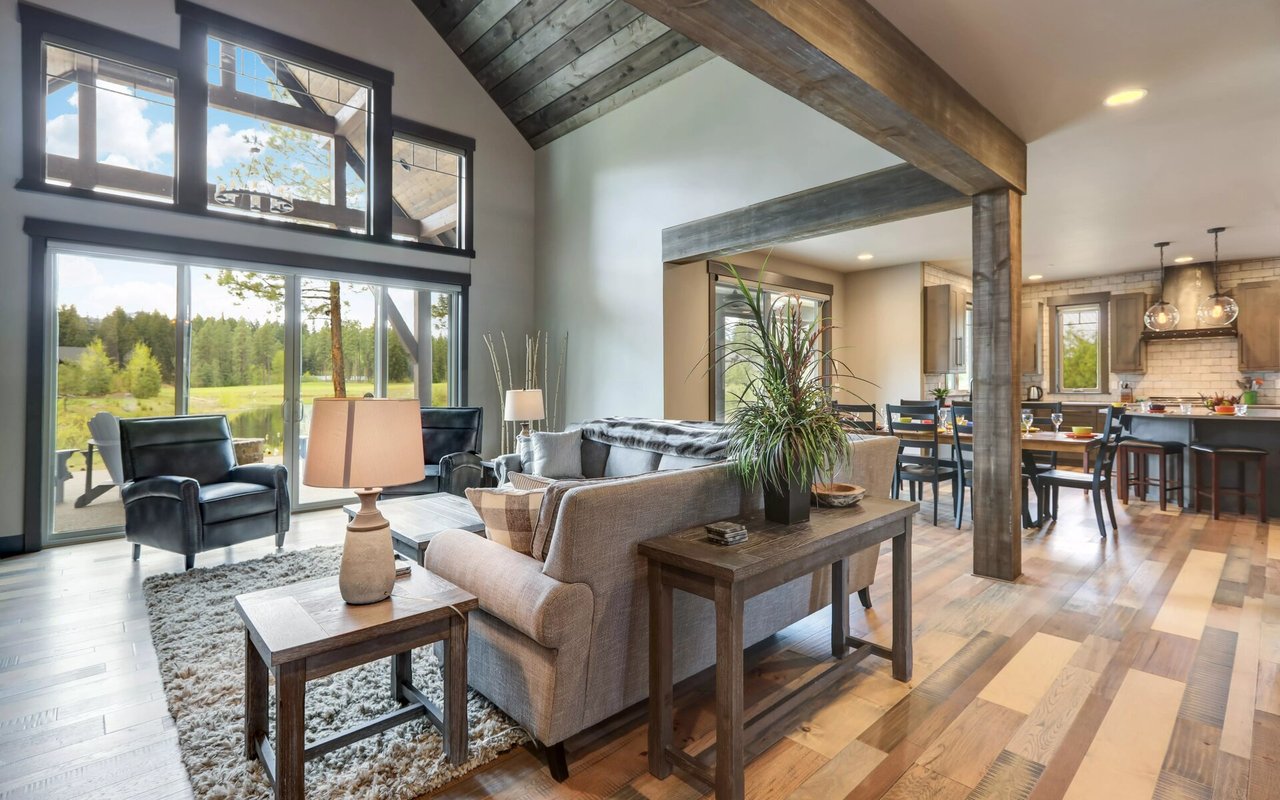
Buying country property can be very different from purchasing a home in a traditional subdivision.
Partner with Robin Garbe for expert negotiation, strategic marketing, and dedicated service from start to finish.